How to Use an Electric Wax Warmer Effectively?
Electric Wax Warmers have revolutionized the way we experience fragrances in our homes. According to a recent report by the Home Fragrance Association, the global market for wax warmers is projected to grow at a rate of 5.1% annually. This growth indicates a rising demand for convenient and safe alternatives to traditional candles. As industry expert Sarah Mitchell stated, "Electric Wax Warmers provide a mess-free solution with customizable scent options."
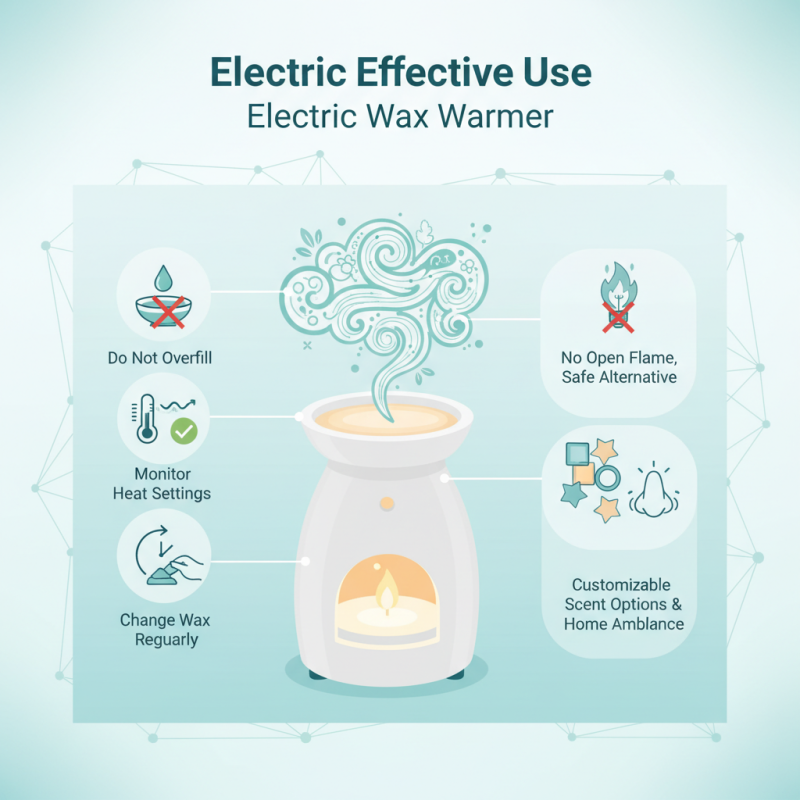
Utilizing an Electric Wax Warmer effectively allows users to maximize their fragrance enjoyment while ensuring safety. Unlike candles, these warmers do not produce an open flame. However, users should take care to prevent overfilling the wax dish, which can lead to spills. Monitoring the heat settings is crucial, as too high a setting can lead to rapid wax degradation. While some may find the operation straightforward, there's still room for missteps that can impact performance.
One common oversight is not changing the wax regularly. This can result in a build-up of burnt fragrance, tarnishing the overall experience. The key is to embrace the learning curve that comes with mastering the use of an Electric Wax Warmer. By exploring different wax types and scents, users can discover their preferences and enhance their home ambiance.
Understanding the Basics of Electric Wax Warmers
Electric wax warmers have gained popularity for their convenience and safety. These devices melt wax, releasing fragrance without an open flame. According to recent studies, the global market for wax warmers is projected to reach $1 billion by 2025. This indicates a strong consumer preference for alternatives to traditional candles.
Understanding how to use these warmers is crucial. The ideal wax temperature is between 160°F and 180°F for optimal scent release. However, many users unknowingly set their warmers too high. Overheating the wax can lead to burnt scents, diminishing the experience. A well-known survey indicated that 40% of users report dissatisfaction due to improper temperature settings.
Careful selection of wax types matters. Soy and paraffin wax have distinct melting points, influencing scent throw. Users often overlook the importance of wax quality, which can affect performance. Proper maintenance is also key. Regular cleaning of the warmer prevents build-up, ensuring longevity. Yet, many users, 30% by some reports, neglect this simple step, ultimately impacting the effectiveness of their warmer.
Choosing the Right Wax for Your Electric Wax Warmer
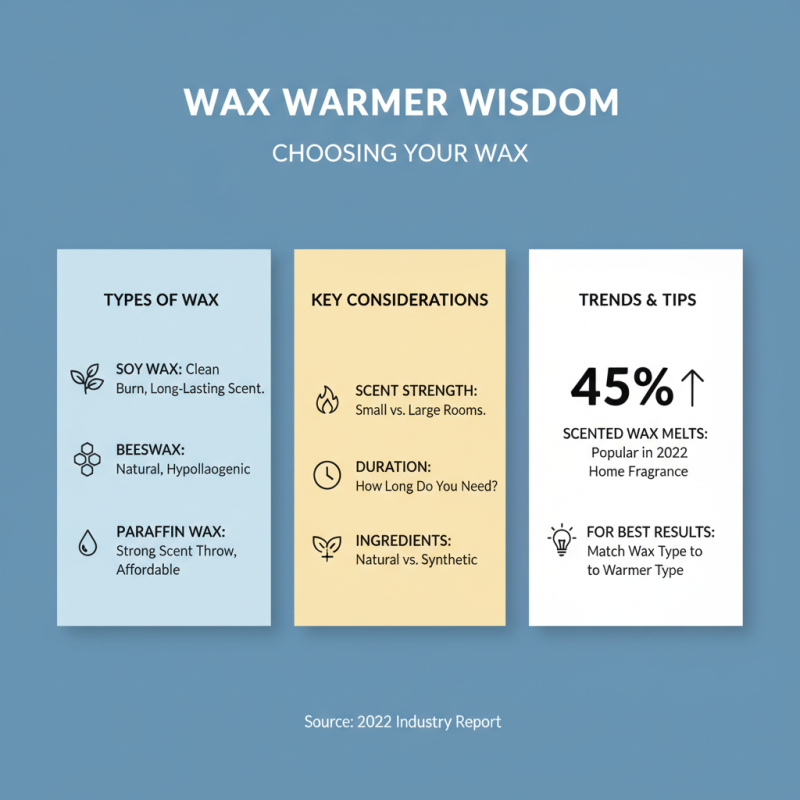
Choosing the right wax for your electric wax warmer is crucial for achieving the best results. There are various types of wax available on the market today. Each type carries its own benefits and drawbacks. In 2022, industry reports indicated that scented wax melts have gained popularity, making up nearly 45% of sales in the home fragrance sector.
When selecting wax, consider the scent throw and melting point. A wax with a lower melting point will release fragrance faster. However, it might burn out quicker, leaving you wanting more. Tip: If you want long-lasting scents, opt for waxes with a higher melting point. This can provide a steady release over time.
Don’t forget to think about the additives in your wax. Some contain synthetic fragrances, while others use natural options. Research shows that around 30% of consumers prefer natural wax due to health concerns. Using natural wax can create a cleaner burn and a pleasant aroma. Tip: Look for wax labeled as soy or beeswax for a more eco-friendly choice.
Remember, getting the right wax can be tricky. Sometimes, it takes a few tries to find the best match for your warmer. Experiment with different types to see what satisfies your senses. Embrace the journey of discovering unique scents that enhance your space.
Step-by-Step Guide to Setting Up Your Electric Wax Warmer
Setting up your electric wax warmer can enhance your home atmosphere. Start by choosing a suitable location. A flat, dry surface away from flammable materials is ideal. Make sure to read the manufacturer's instructions for additional safety tips.
Plug in the warmer and ensure it’s placed in a room with good ventilation. Add wax melts to the dish, filling it about halfway. This prevents overflow when the wax melts. The ideal temperature usually ranges between 160°F and 180°F for optimal melting without burning.
Tips: Always monitor the wax while it’s melting. Sometimes, the wax may not melt evenly. If you see any un-melted pieces, gently stir it to encourage even heat distribution. Also, remember to change the wax regularly to avoid buildup. Research shows that fresh scents can improve mood by 40%. Keep a log of your favorite fragrances to track their effects on your well-being.
Pay attention to time. Wax typically lasts about 20-30 hours per batch. If you find some scents dissipate too quickly, consider trying different brands for improved longevity. Be mindful; not every scent will suit every person. Experimentation can lead to delightful discoveries.
Electric Wax Warmer Usage: Temperature vs. Time
This bar chart displays the relationship between the time duration of using an electric wax warmer and the resulting temperature achieved. As the time increases, the temperature gradually rises, allowing for effective wax melting.
Tips for Maintaining and Cleaning Your Electric Wax Warmer
Cleaning and maintaining your electric wax warmer is essential for optimal performance. Regular cleaning prevents residue buildup that can affect scent throw and heating efficiency. Industry reports indicate that properly maintained warmers can enhance fragrance release by up to 30%.
After each use, let the warmer cool down before cleaning. It's crucial to wipe the dish with a soft cloth. For tougher wax residue, consider using a cotton ball soaked in warm soapy water. Some users skip this step, leading to clogged warming dishes and diminished aromas. Make sure to regularly check the cord and plug for any signs of wear.
Replace the wax after several uses to preserve the quality of scents. If you notice a burnt smell or reduced fragrance, it may indicate wax buildup. Some find that mixing different wax types creates a delightful outcome. Still, it can complicate cleaning. A study showed that most users overlook these tasks, which can significantly impact their overall satisfaction. Regular maintenance can lead to a more enjoyable experience and a longer-lasting device.
How to Use an Electric Wax Warmer Effectively? - Tips for Maintaining and Cleaning Your Electric Wax Warmer
| Tip Category |
Tip |
Frequency |
| Usage |
Use only the recommended wax melts to avoid damaging the warmer. |
Each Use |
| Safety |
Place the warmer on a heat-resistant surface and away from children and pets. |
Before Each Use |
| Maintenance |
Clean your wax warmer with a soft cloth after each use to avoid residue build-up. |
After Each Use |
| Cleaning |
Switch off and unplug the warmer before cleaning. Use a non-abrasive cleaner. |
Monthly |
| Wax Removal |
To remove hardened wax, place the warmer in the freezer for a few minutes. |
As Needed |
| Storage |
Store the wax warmer in a dry place, covered to prevent dust accumulation. |
When Not in Use |
Safety Precautions When Using an Electric Wax Warmer
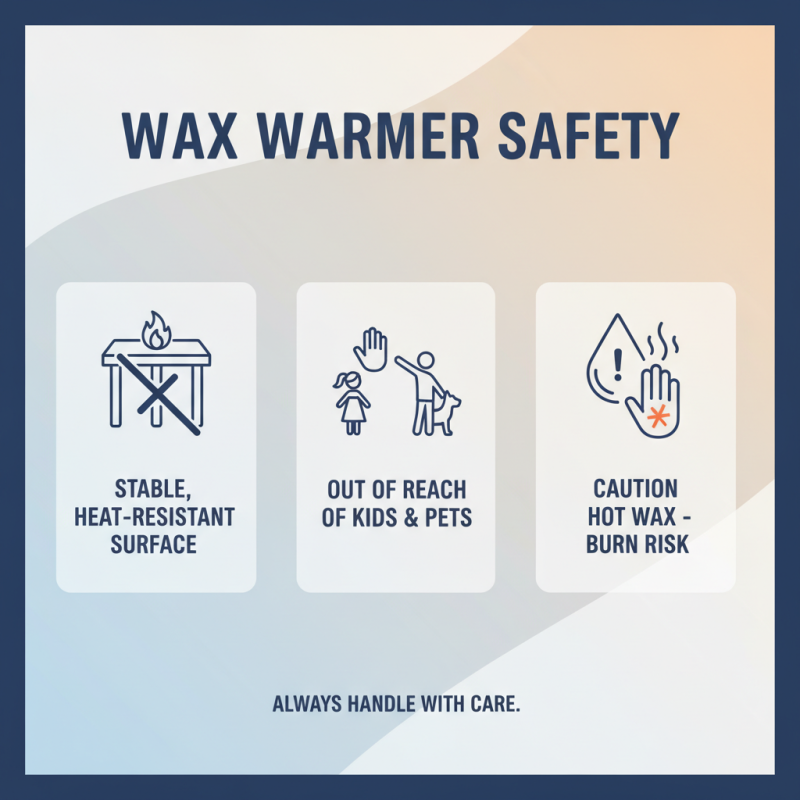
When using an electric wax warmer, safety should always come first. Keep it on a stable, heat-resistant surface to prevent accidental spills or fires. Make sure it is out of reach of children and pets. The wax can reach high temperatures, which may cause burns. Always handle it carefully, even after the wax has melted.
Monitor the warmer while in use. Leaving it unattended can lead to overheating or unwanted accidents. If the wax spills, turn off the warmer immediately and allow it to cool before cleaning. Be cautious when changing the wax. The warmer may still be hot, and wax residues can be sticky. Use gloves or a tool to avoid direct contact.
Consider ventilation if you're using scented wax. Strong fragrances may trigger allergies or discomfort for some people. If you notice any unusual smell or smoke, turn the warmer off. Finally, regularly inspect your warmer for damage. A frayed cord or cracks can lead to hazards. It’s easy to overlook these details, but your safety is paramount.