What is a Wax Warmer and How Does It Work?
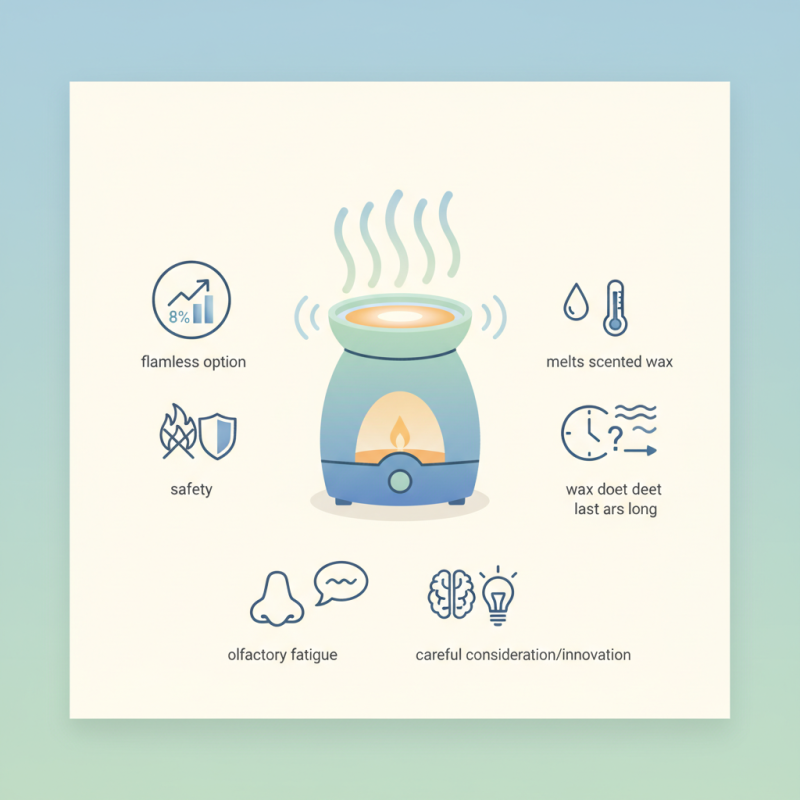
Wax warmers have gained popularity in recent years as convenient alternatives to traditional candles. A recent industry report indicates that the wax warmer market is projected to grow by 8% annually, driven by consumer preference for flameless options. These devices melt scented wax to release fragrances into the air, creating a pleasant atmosphere in homes and commercial spaces.
The technology behind wax warmers is simple yet effective. The warmer heats a dish containing wax, allowing it to liquefy and emit scents. Many users appreciate their ability to control scent intensity, unlike candles which can be overpowering. Wax warmers are also celebrated for their safety features, as they do not involve an open flame. Nevertheless, some users find that the wax does not last as long as expected, raising questions about efficiency.
Moreover, it’s essential to engage with wax warmers mindfully. While they're enjoyable, overuse may lead to olfactory fatigue, diminishing the experience. Ultimately, choosing the right wax warmer requires careful consideration of scent preferences and the capacity of the device. As the market evolves, further innovations may surprise even the most seasoned consumers.
What is a Wax Warmer?
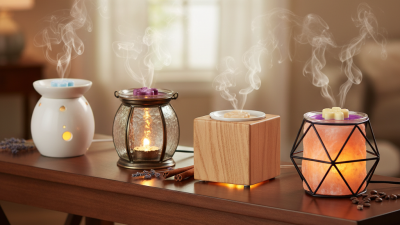
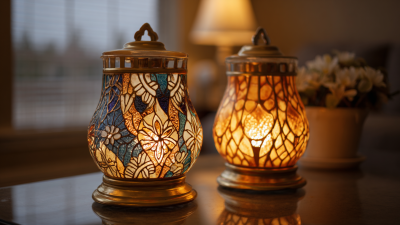
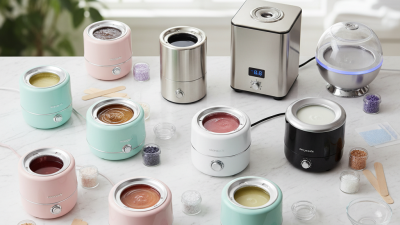
A wax warmer is a device designed to melt wax for fragrance. It typically consists of a base with a heating element and a container for wax. Wax warmers come in various styles. Some have intricate designs that add charm to any space. Others are sleek and modern, fitting into minimalist decor.
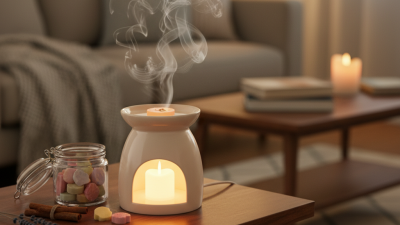
The wax is placed in a dish on top. Once the warmer is turned on, the heat melts the wax. This process releases fragrant oils into the air. Unlike traditional candles, wax warmers don’t have a flame. This reduces fire hazards. However, caution is still necessary to avoid burns from hot wax.
Wax warmers are simple to use. Just turn them on and wait for the scent to fill the room. Be mindful of the type of wax used. Some may not melt well or can produce strong odors. It’s also essential to clean the dish regularly. Residue from old wax can affect fragrance quality. Reflecting on the experience, you might discover scents that resonate or those that overpower.
The Components of a Wax Warmer
A wax warmer is a popular device used for melting wax for aromatherapy or creating a soothing atmosphere. Understanding the components of a wax warmer can help you choose the right one. At its core, a wax warmer includes a heating element, a dish or bowl, and a power source.
The heating element, often made of ceramic or metal, warms the wax evenly. The dish holds the wax and can be removable for easy cleaning. Many people prefer warmers with adjustable temperature settings. Recent industry reports show that over 60% of consumers now look for temperature control features when choosing wax warmers.
Tips: When using a wax warmer, always monitor the temperature. Overheating can affect the scent throw and may lead to accidents. Regular cleaning is essential. Residue can alter the next scent used.
Remember, not all warmers perform the same. Some may heat unevenly, leading to waste of wax. Investigate reviews on wax warmers to ensure quality. The right choice can enhance your aromatherapy experience significantly.
Wax Warmer Components and Their Importance
How Does a Wax Warmer Function?
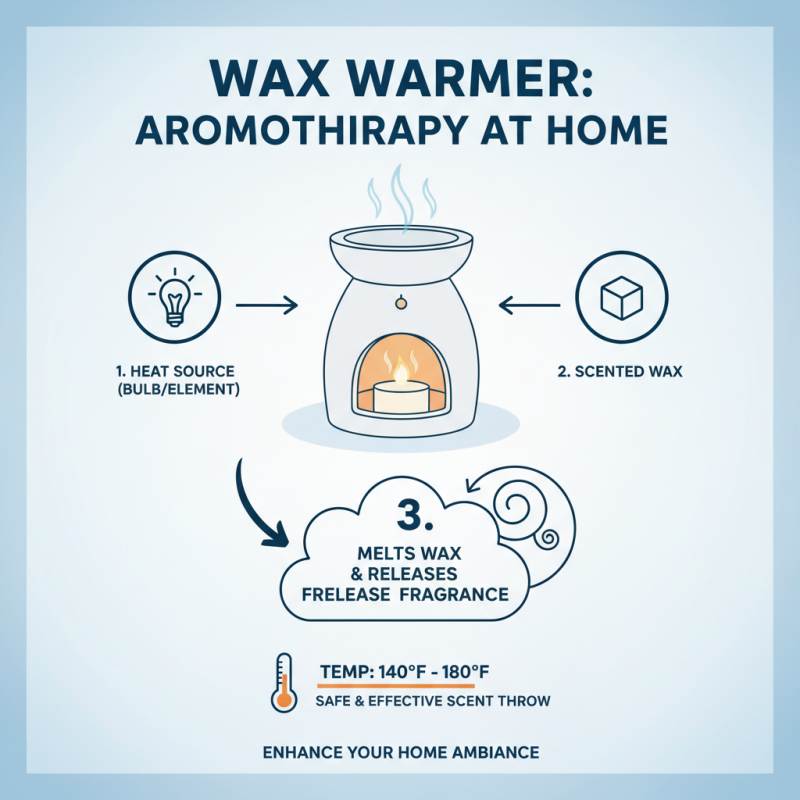
A wax warmer is a popular tool for creating a pleasant fragrance at home. Understanding how it functions can enhance your experience. Essentially, a wax warmer uses heat to melt scented wax, releasing its aroma into the air. Most models employ a light bulb or heating element to warm the wax gradually. According to industry reports, the wax melting process usually occurs between 140°F and 180°F, ensuring an effective scent throw without combustion risks.
The design of wax warmers allows for creativity. Many come with decorative elements that enhance interior aesthetics. Users often appreciate how they can mix scents, creating customized fragrances. However, it's important to note that not all wax is created equal. Some lower-quality waxes may not produce the intended scent or may burn too quickly. A study indicated that 45% of consumers prefer long-lasting scents, emphasizing the need for quality wax.
While wax warmers are generally safe, there are concerns about overheating. Wax can potentially catch fire if left unattended. Hence, monitoring your warmer is essential to prevent mishaps. Balancing fragrance and safety should be a priority for every wax warmer user. It invites us to reflect on whether we are prioritizing ambiance over caution.
Benefits of Using a Wax Warmer
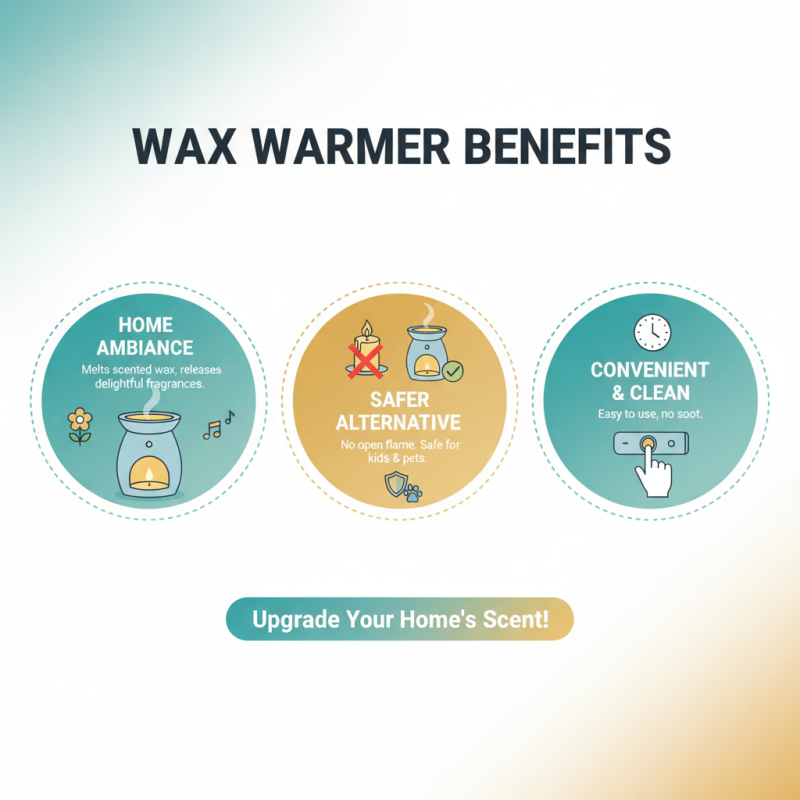
Using a wax warmer can greatly enhance your home ambiance. These devices melt scented wax, releasing delightful fragrances. They offer a convenient alternative to traditional candles. With no open flame, they create a safer environment, especially in homes with children or pets.
Another advantage is the range of scents available. You can choose from floral, fruity, or musky aromas. This variety allows for seasonal or mood-based scent changes. Wax warmers are also reusable. You can switch wax melts quickly, avoiding waste. However, leftover wax can sometimes cling stubbornly to the warmer. It requires careful cleaning to avoid mixing scents.
The soft glow of the wax warmer adds a cozy touch to any room. The warmth radiates, making the space feel inviting. Yet, some may find the heat a bit too intense if left on for long periods. This is a reminder to monitor usage. Regular usage can lead to habit formation, which might become mindless over time. Enjoying scents should feel mindful and refreshing, not just routine.
Safety Tips for Using Wax Warmers
Wax warmers are popular for their ability to create a cozy atmosphere. However, safety is vital when using these devices. According to the National Fire Protection Association, improperly used heating devices cause thousands of home fires each year. Awareness of safety practices can significantly reduce these risks.
When using a wax warmer, choose a stable surface for placement. This avoids accidental tipping. Keep the warmer out of reach of children and pets. Supervision is key, especially in homes with young ones. Overheating can occur if the warmer is left on for an extended period. Many users forget to turn them off. Regular checks can minimize this risk.
Use wax melts that are specifically designed for warmers. These tend to have better melting points. Mixing different wax types can lead to unpredictable results. Some users have reported wax spills that require careful cleaning. Always allow the warmer to cool down before handling. It’s easy to underestimate the heat, leading to burns. Reports show that such accidents are preventable with vigilance and proper precautions.
What is a Wax Warmer and How Does It Work? - Safety Tips for Using Wax Warmers
| Feature |
Description |
| Heating Method |
Electric heating element warms the wax, allowing it to melt evenly. |
| Wax Type |
Can use paraffin, soy, beeswax, or other waxes specifically designed for warmers. |
| Scent Dispersion |
Provides aromatic release as wax melts, creating a pleasant fragrance in spaces. |
| Safety Features |
Many models include automatic shut-off features to prevent overheating. |
| Usage Tips |
Ensure the warmer is on a stable surface, away from flammable materials, and monitored during use. |
| Cleaning |
Allow wax to cool and solidify before removing; use warm, soapy water to clean the container. |